



International Patient Safety
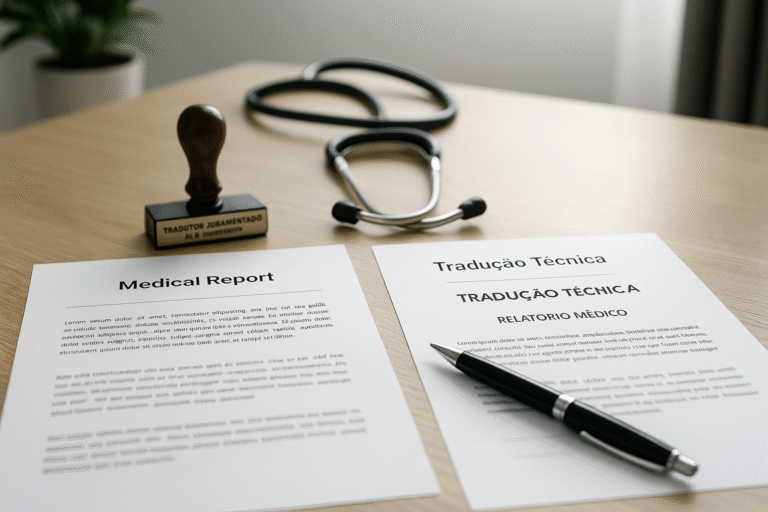
When a patient travels to another country to receive treatment, the language barrier can seriously compromise their safety and care. In this scenario, medical translation plays a crucial role in ensuring that vital information is conveyed accurately and clearly. This prevents unnecessary risks and misunderstandings. Therefore, medical translation is more than just a technical service; it serves as an essential bridge between healthcare professionals and patients.
Why is medical translation essential for patient safety?
In a hospital setting, every detail matters. Prescriptions, medical histories, pre- and post-operative instructions, informed consent forms, and diagnoses are essential documents. If poorly translated, they can lead to wrong decisions, putting the patient’s life at risk. That is why it is essential that translations be done by specialized professionals who are fluent in medical terminology and understand cultural nuances.
In addition, many medical terms have very specific meanings depending on the context. An inexperienced translator may make serious mistakes when interpreting abbreviations or technical terms. Therefore, investing in qualified medical translation helps reduce errors and improve patient safety.
What are the risks of an inadequate translation?
A poorly executed translation or one done by unqualified people can lead to serious problems, such as:
- Incorrect administration of medications and dosages
- Misinterpretation of allergies or pre-existing conditions
- Procedures performed without proper consent
- Lack of communication among multilingual teams
These risks make it clear why hiring specialized translators is so important.
How does medical translation protect patients?
The work of a medical translator is not limited to translating words. They ensure that the meaning, intent, and accuracy of the information are preserved. For example:
- Ensuring that medication instructions are clear to the patient
- Helping healthcare professionals correctly interpret reported symptoms
- Facilitating communication among international teams during complex treatments
- Preserving the confidentiality of medical records
In addition, medical interpreters help improve the patient experience by providing peace of mind during a difficult time.
In which fields is medical translation used?
Medical translation covers a variety of fields, such as:
- Medical Records and Reports
- Laboratory Test Reports
- Documents for Health Insurance
- Hospital Equipment Manuals
- Clinical trials and scientific studies
Each area requires technical expertise, as it directly impacts patient care.
How do you choose a good medical translator?
To ensure quality, it is important to consider certain criteria when hiring a professional:
- Check to see if he has training or experience in medical translation
- Confirm proficiency in technical terminology in both languages
- Assess the commitment to document confidentiality
- Give preference to translators or companies with recognized certifications, such as ISO 17100
A good translator not only reduces risks but also helps integrate the patient into the local healthcare system.
What Sets JL Nissi Apart in Medical Translation
JL Nissi is a leader in medical translations for international patients. Under the leadership of Jana Büchi, the team combines technical precision with human sensitivity. The languages served include English, Spanish, French, Cantonese, and Mandarin. Among the services offered are:
- Certified translation for visas and insurance
- Review and Adaptation of Medical Records for Hospitals Abroad
- Personalized consulting for complex cases
This approach ensures that patients and healthcare professionals speak the same language, without any communication gaps.
Conclusion
Medical translation is much more than a bureaucratic requirement. It safeguards patient safety, facilitates communication, and ensures that every decision is based on accurate information. That is why choosing qualified professionals is not only important, but essential.
Furthermore, investing in medical translation demonstrates respect for the patient and a commitment to professional ethics. In a globalized world, providing clear and accurate communication is not just a competitive advantage—it is a necessity for ensuring excellent care. Therefore, when planning to treat foreign patients or expand your services to other countries, always rely on specialized medical translators. When a patient travels to another country for treatment, the language barrier can seriously compromise both their safety and the quality of care. In this context, medical translation plays a crucial role, as it ensures that vital information is conveyed accurately and clearly. This helps prevent unnecessary risks and misunderstandings. Therefore, more than just a technical service, medical translation serves as a vital bridge between healthcare professionals and patients.
Why is medical translation essential for patient safety?
In a hospital setting, every detail matters. Prescriptions, medical histories, pre- and post-operative instructions, informed consent forms, and diagnoses are essential documents. However, when poorly translated, these documents can lead to incorrect decisions, putting the patient’s life at risk. For this reason, it is essential that translations be performed by specialized professionals who are fluent not only in medical terminology but also in the cultural nuances of the target language.
Furthermore, it is important to remember that many medical terms have very specific meanings, depending on the context. An inexperienced translator can easily make serious mistakes when interpreting abbreviations or technical terms. Consequently, investing in qualified medical translation helps reduce errors and significantly increase patient safety.
What are the risks of an inadequate translation?
A poorly executed translation or one done by people without the proper qualifications can lead to a number of serious problems, such as:
- Incorrect administration of medications and dosages
- Misinterpretation of allergies or pre-existing conditions
- Procedures performed without proper consent
- Lack of communication among multilingual teams
These risks make it clear that hiring specialized translators is essential to saving lives.
How does medical translation protect patients?
The work of a medical translator goes beyond simply translating words. In fact, they ensure that the meaning, intent, and accuracy of the information are preserved throughout the process. For example, it is the translator who:
- Ensures that medication instructions are understandable to the patient
- It helps healthcare professionals correctly interpret the reported symptoms
- Facilitates communication among international teams during complex treatments
- Ensures the confidentiality of medical records
In addition, medical interpreters help improve the patient experience by providing greater peace of mind during a difficult time.
In which fields is medical translation used?
Medical translation covers a wide range of fields, including the following:
- Medical Records and Reports
- Laboratory Test Reports
- Documents for Health Insurance
- Hospital Equipment Manuals
- Clinical trials and scientific studies
Each area requires technical expertise, as it directly impacts the care provided to patients.
How do you choose a good medical translator?
To ensure quality, it’s important to consider certain criteria before hiring a professional. First, check whether they have specific training or experience in medical translation. Next, confirm that they have a strong command of technical terminology in both languages. Additionally, assess whether they can guarantee confidentiality, since medical documents contain sensitive information. Finally, choose translators or companies with recognized certifications, such as ISO 17100.
A good translator not only reduces risks but also helps integrate the patient into the local healthcare system.
What Sets JL Nissi Apart in Medical Translation
JL Nissi is a leader in medical translations for international patients. Under the leadership of Jana Büchi, the team combines technical precision with human sensitivity. The languages served include English, Spanish, French, Cantonese, and Mandarin. Among the services offered are:
- Certified translation for visas and insurance
- Review and Adaptation of Medical Records for Hospitals Abroad
- Personalized consulting for complex cases
As a result, JL Nissi ensures that patients and healthcare professionals speak the same language, thereby avoiding miscommunication.
Medical translation is much more than a bureaucratic requirement. It safeguards patient safety, facilitates communication, and ensures that every decision is based on accurate information. For this reason, choosing qualified professionals is not only important but essential.
Furthermore, investing in medical translation demonstrates respect for the patient and a commitment to professional ethics. In an increasingly globalized world, providing clear and accurate communication is not just a competitive advantage—it is a necessity for ensuring excellent care. Therefore, when planning to serve international patients or expand your services to other countries, always rely on specialized medical translators. This choice directly contributes to patient safety, the institution’s reputation, and the creation of a more humane and welcoming experience for everyone.